Home / Guides / Hemp 101
Guide
Hemp 101: What It Is, What It Isn’t
This guide leans on material and manufacturer research plus maker and community feedback. No lab tests, no sponsored picks — just the plant, straight. Last updated: September 2026.
What hemp is
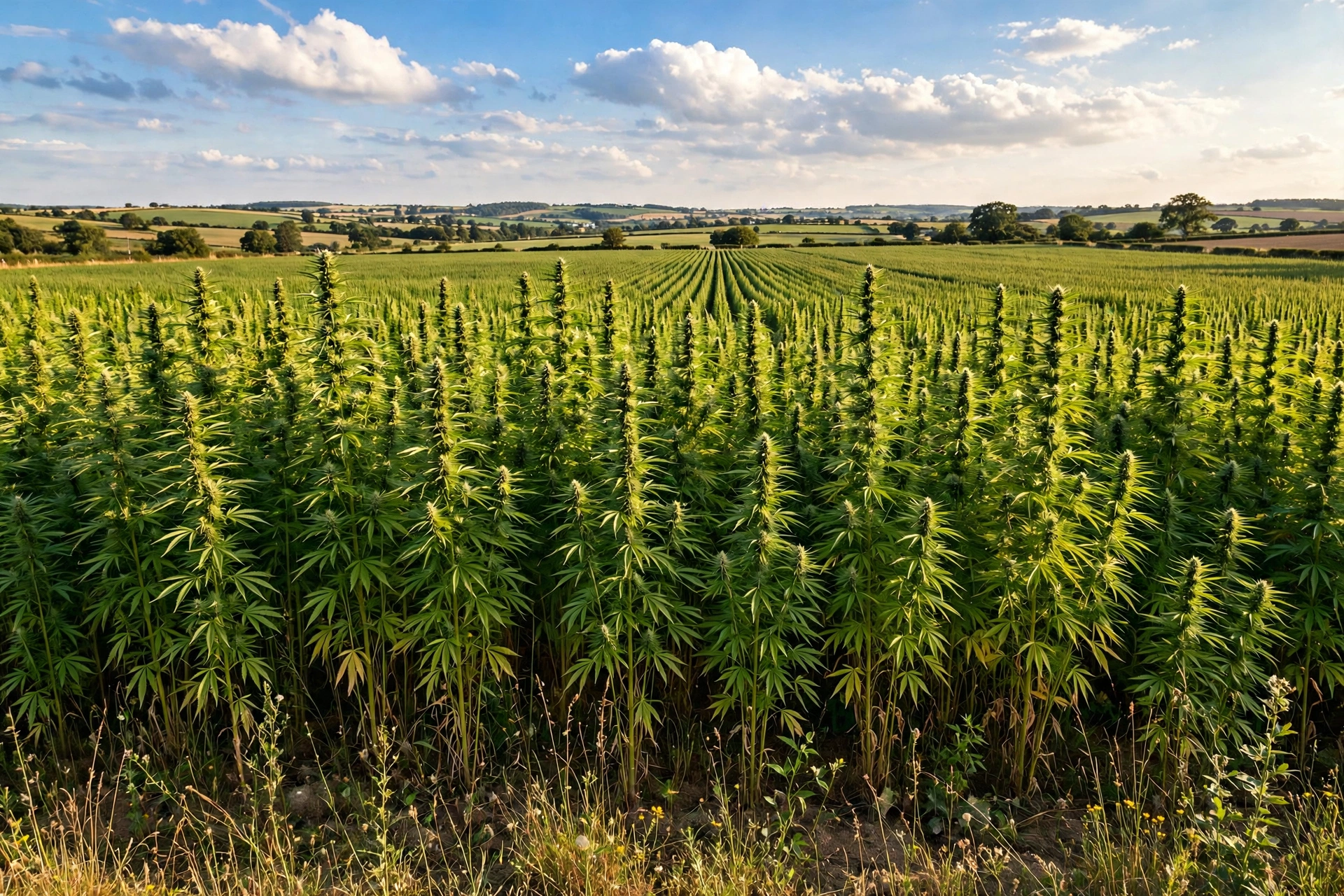
Hemp is Cannabis sativa L. grown for fiber, grain, and — in regulated contexts — cannabinoids. Legally in the U.S., “hemp” has meant cannabis with very low THC content, distinct from marijuana grown for intoxicating use. Same species, different job: one was bred for rope and cloth, the other for potency.
What it’s made of (and what it’s made into)
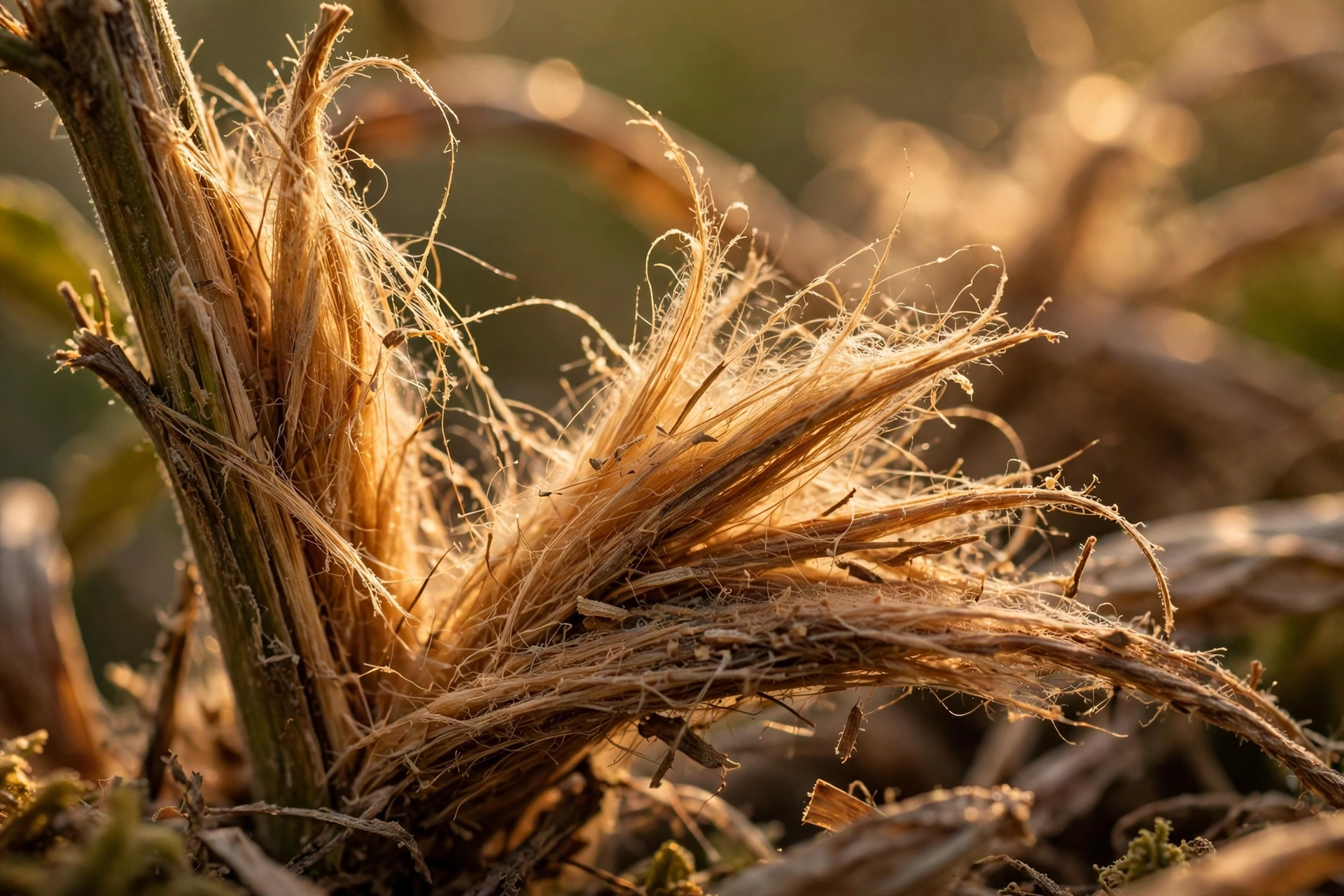
Three harvests from one plant:
- Bast fiber (the stalk’s outer layer): long, strong fibers spun into textiles, rope, and canvas. This is the “hemp clothing” and “hemp bag” material.
- Hurd (the stalk’s woody core): used for paper, building materials, and bedding.
- Seed and flower: seeds pressed for oil or sold as food; flowers as the source of hemp extracts.
Why people care
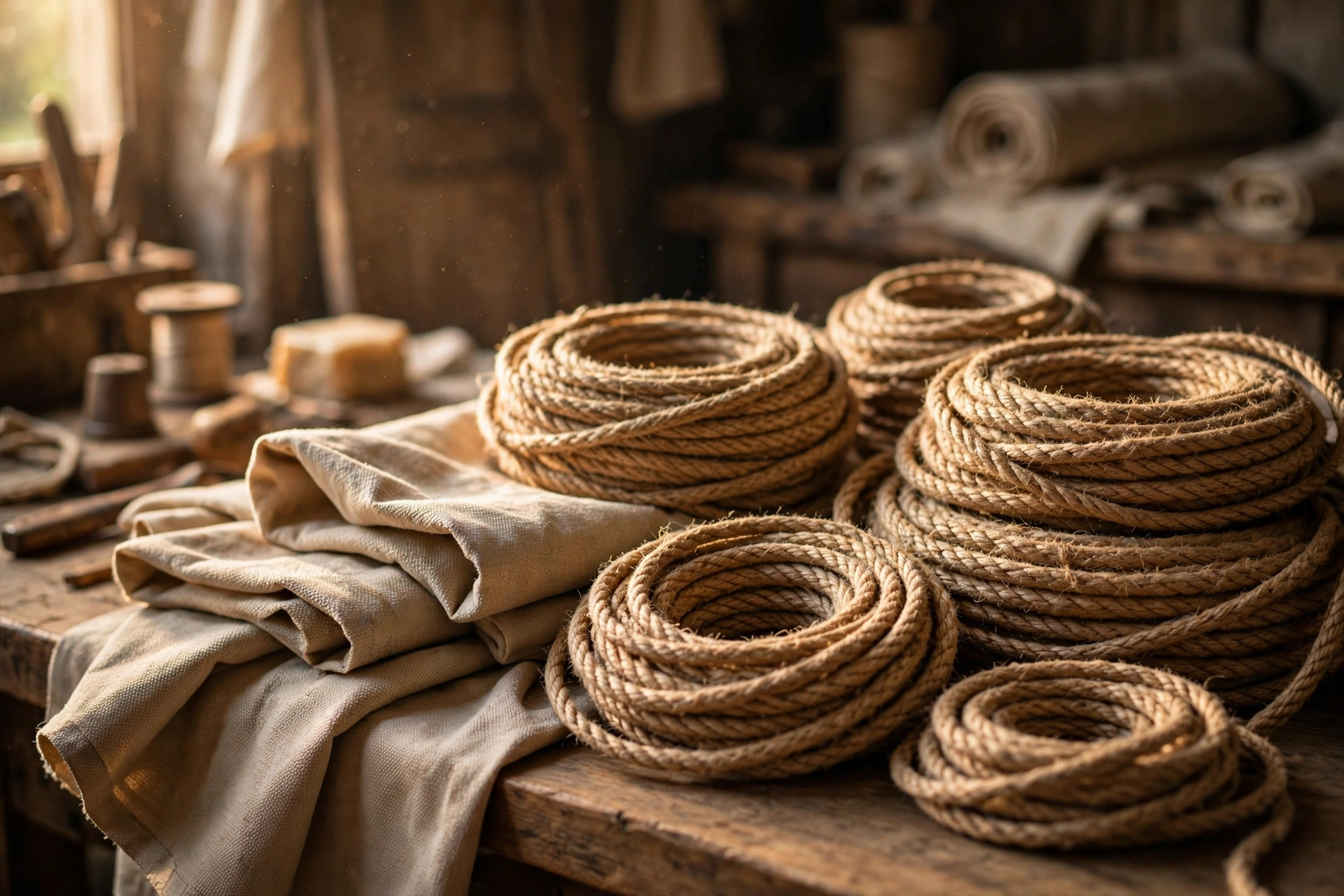
The plant’s resume is genuinely unusual: it reaches maturity in a single growing season, needs less water than thirsty fiber crops like cotton, and generally grows with fewer chemical inputs. Its fibers are among the strongest natural fibers known — which is why hemp textiles and hemp paper are famous for outlasting their wood-pulp and cotton equivalents. None of this is new. Sails, rope, and paper were hemp’s job for centuries.
What it isn’t
- It isn’t marijuana. Industrial hemp is grown and regulated as a non-intoxicating crop. Buying a hemp tee will not do anything except clothe you.
- It isn’t automatically sustainable. “Hemp” on a label doesn’t bless everything about a product — how it was grown, processed, dyed, shipped, and constructed still matters. Greenwashing loves a halo fiber.
- It isn’t a miracle. Hemp is an excellent material. It is not magic, medicine (see our no-claims rule), or a moral credential. We like it for what it provably is: strong, renewable, versatile.
The stigma, briefly
Hemp spent most of the 20th century legally entangled with marijuana prohibition in the U.S., which is why an ancient crop feels like a new trend. The 2018 Farm Bill reopened the door federally; the plant’s been walking back through it ever since — into clothing racks, stationery shops, and pantries.
The law right now
Federal hemp law is in motion. A federal hemp redefinition (enacted November 2025) redefines hemp and reclassifies intoxicating hemp-derived THC products as Schedule I controlled substances effective December 11, 2026. What this site covers — fiber goods, foods, and non-intoxicating hemp extracts — is a different category from what that law targets, but state laws vary and the landscape is shifting. Check your own state’s rules. This guide isn’t legal advice; it’s a starting point.
Bottom line
Hemp is one of the hardest-working plants humans ever domesticated. Buy the goods for what they are — durable, renewable, well-made — and skip anything sold on mystique.
Some links may earn us a commission. It never decides what makes the guide — see our affiliate disclosure.
Good to know
Is hemp the same plant as marijuana?
Same species (Cannabis sativa L.), different breeding and different regulation. Industrial hemp is grown for fiber, grain, and non-intoxicating extracts; marijuana is grown for intoxicating use. The hemp goods on this site are non-intoxicating by definition.
Why is hemp suddenly everywhere?
It isn’t sudden — it’s a comeback. Hemp was a major fiber, rope, and paper crop for centuries before 20th-century prohibition buried it in the U.S. The 2018 Farm Bill reopened the federal door, and the plant has been walking back through it since.
Is hemp automatically eco-friendly?
No. Hemp has a strong agronomic resume — fast maturity, modest water and input needs — but how any given product was grown, processed, dyed, and shipped still matters. Read the label, not the halo.
Is this legal advice?
No. Hemp law — federal and state — is shifting, especially around extracts. This guide is a starting point; check your own state’s current rules before buying anything in the extract category.