Home / Guides / Reading a Hemp Label
Guide
Reading a Hemp Label: What Actually Matters
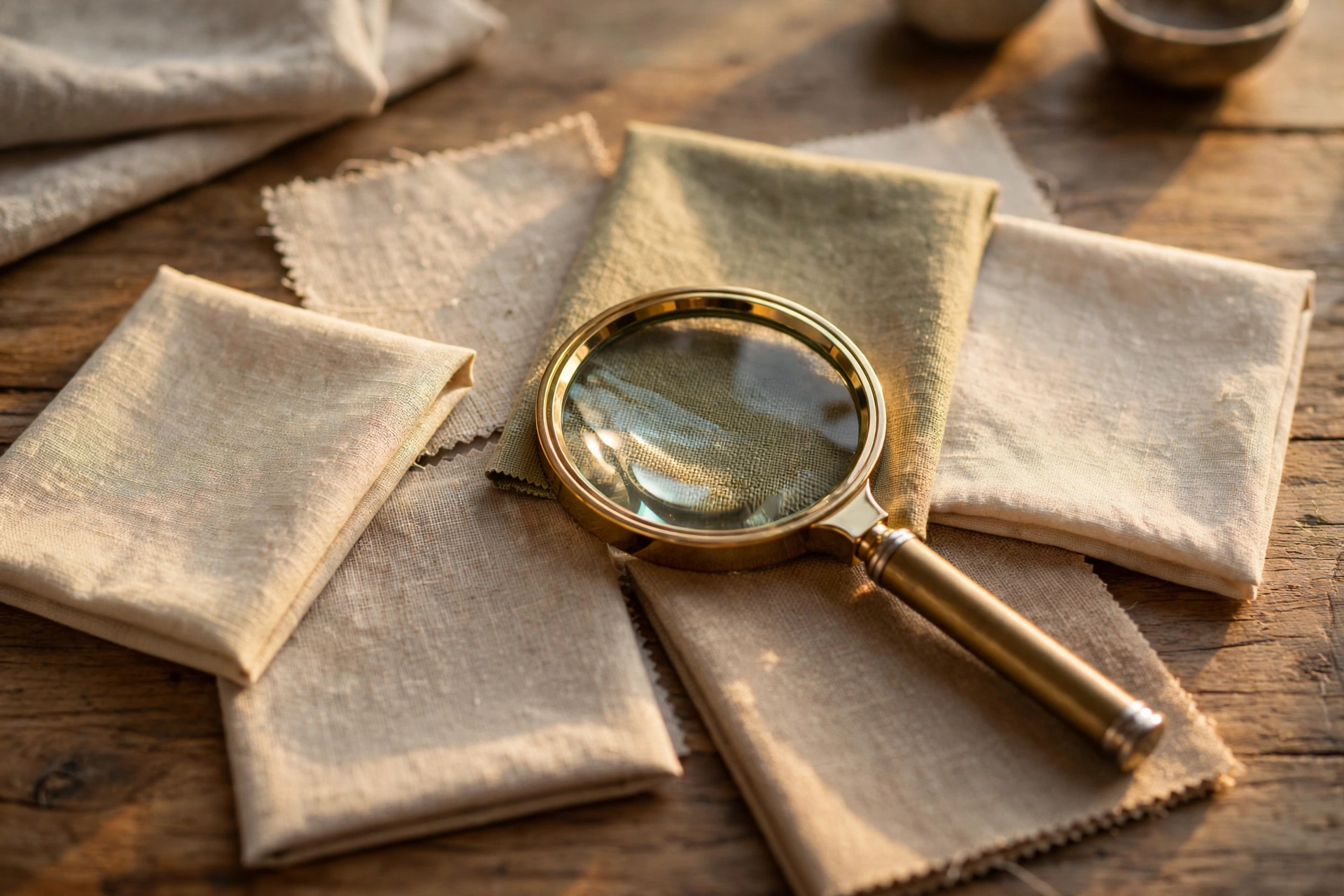
This guide leans on material and manufacturer research. No brand paid for a word of it. Last updated: September 2026.
For textiles and goods: the fiber content line
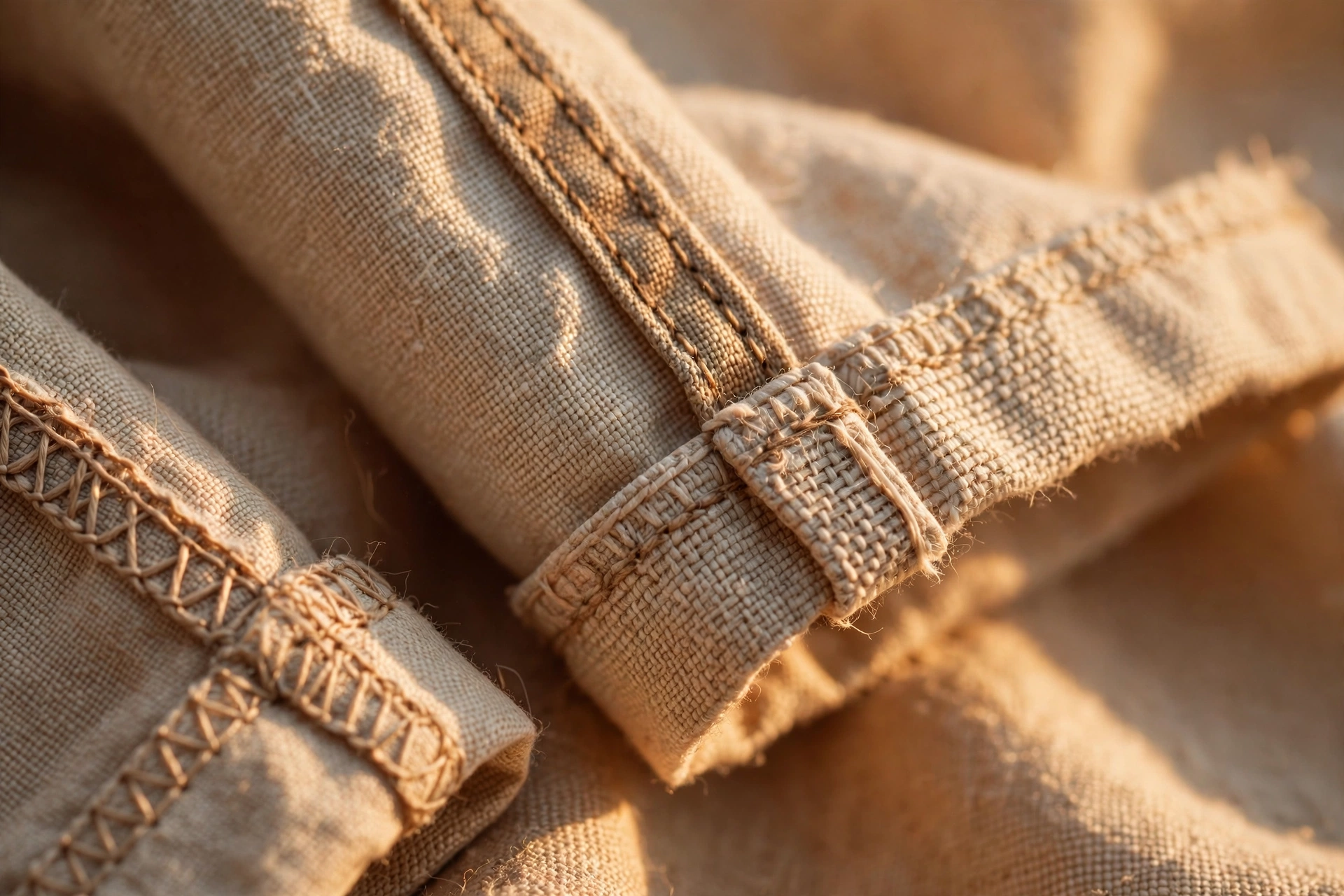
By law, apparel sold in the U.S. carries a fiber-content label. Read it before anything else:
- The percentage is the truth. “100% hemp” and “55% hemp / 45% organic cotton” are both honest; “hemp” in the brand name with 5% in the fiber line is marketing.
- What “organic” modifies matters. “Organic cotton/hemp blend” may mean only the cotton is certified organic — check which fiber the claim attaches to.
- Blends aren’t a cheat. Hemp/cotton blends soften the hand and keep much of the strength. A blend is only a problem when the label hides it.
- Country of origin and care instructions tell you where it was made and how to keep it alive. “Made in” plus real care symbols beats a paragraph of adjectives.
Certifications, decoded
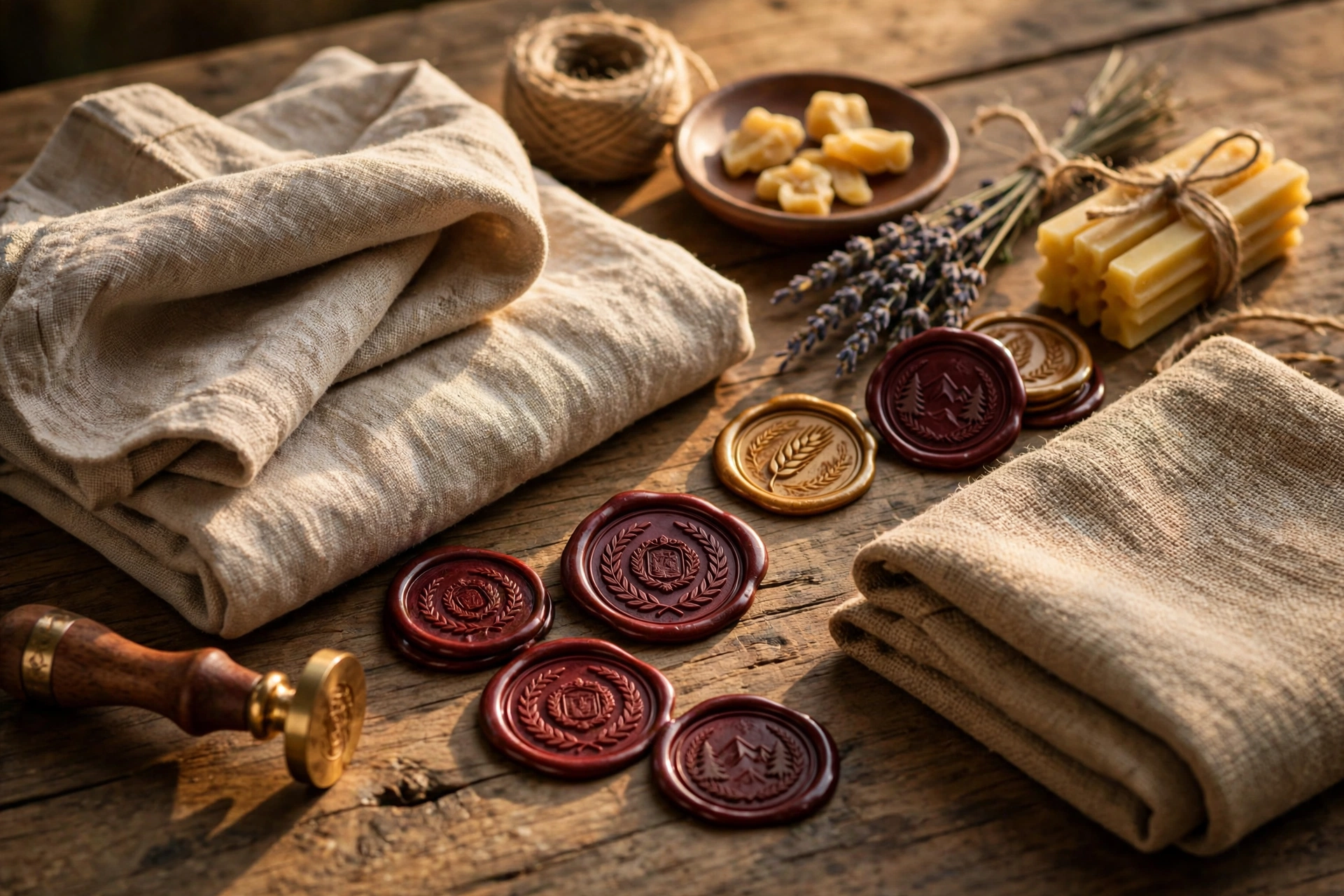
- GOTS — covers the textile chain from fiber to finished good, including processing and labor standards. One of the stronger signals on a garment label.
- OEKO-TEX — tests the finished textile for harmful substances. It says the cloth is clean, not that the farming was.
- B Corp — certifies the company’s overall practices, not the product’s materials.
No certification at all isn’t automatic disqualification for small makers — but then the burden of proof is on their transparency, not yours. A maker who answers “where was this grown and who made it” plainly is worth more than a logo that doesn’t.
For paper and stationery
Look for actual hemp fiber content (not just “hemp-inspired” branding), unbleached/natural finish if you want the real material character, and paper weight that suits your use (lighter for journals, heavier for art). Slight fiber variation and an earthy tone are signatures of genuine hemp paper — uniformity is what wood pulp does.
For hemp foods
The ingredient list is the label that counts. Hulled hemp seeds should list hemp seeds first and little else. Protein powders: check protein per serving and what’s filling the rest. Oils: cold-pressed, dark bottle, freshness date. Ignore front-of-package superlatives; read the back.
For hemp extracts: the label-literacy checklist (zero claims about results)
- Third-party lab results — non-negotiable. Look for batch-specific Certificates of Analysis from an independent lab, accessible before you buy.
- Spectrum vocabulary — “full-spectrum” means the extract retains a range of the plant’s compounds; “broad-spectrum” similar minus THC; “isolate” means a single compound (usually CBD) on its own. These describe composition, not quality tiers.
- Potency, stated two ways — milligrams per serving AND per container.
- Carrier and extras — most tinctures suspend extract in an oil (coconut/MCT is common).
- Sourcing — where the hemp was grown and how it was extracted are basic transparency.
- Red flags — disease claims, “miracle” language, no lab results, no company address, prices that undercut the entire market. Walk away.
Hemp law is shifting — see our explainer on extracts and the changing rules before buying anything in this category.
The one-sentence version
Fiber content and certifications for goods; ingredients for foods; independent lab results for extracts — and skepticism for any label doing the selling that the product should be doing.
Some links may earn us a commission. It never decides what we write — see our affiliate disclosure.
Good to know
What’s the single most important thing on a hemp garment label?
The fiber-content line: what fibers, in what percentages. Everything else — branding, adjectives, imagery — is secondary.
A product says “made with hemp.” Is that meaningful?
Not by itself. “Made with hemp” can mean anything from 100% to a trace. The fiber-content percentage (for textiles) or the ingredient list (for foods) is where the meaning lives.
Do small makers need certifications?
No — certifications cost money that small shops may not have. What they do need is transparency: where the fiber was grown, what the blend is, who made it. If they answer plainly, that’s worth a lot.
What should I watch for on extract labels?
Batch-specific third-party lab results, milligrams stated per serving and per container, and sourcing you can verify. Red flags: disease claims, no lab results, no company address. And remember the law is shifting — check your state.