Home / Guides / CBD & Wellness
A changing category — read first
Hemp Extracts & the Changing Rules
This page is a reader, not a shelf. It explains the vocabulary, the labels, and the law in motion — it does not recommend products, and it makes no claims about results. Last updated: September 2026.
Why this page doesn’t recommend products
Two reasons, both firm. First, the legal category around hemp extracts is shifting — federal and state rules are in motion, and a shopping pick made today could sit under different rules tomorrow. Second, our house rule: we make no health, medical, or efficacy claims about anything, ever, and we’re a curation site, not a clinic. A category built on result-promises is one we’ll explain but not sell.
So: no picks, no rankings, no “best of” lists here. What follows is label literacy — what the words mean, so you can think clearly in a noisy category.
What’s actually in the bottle
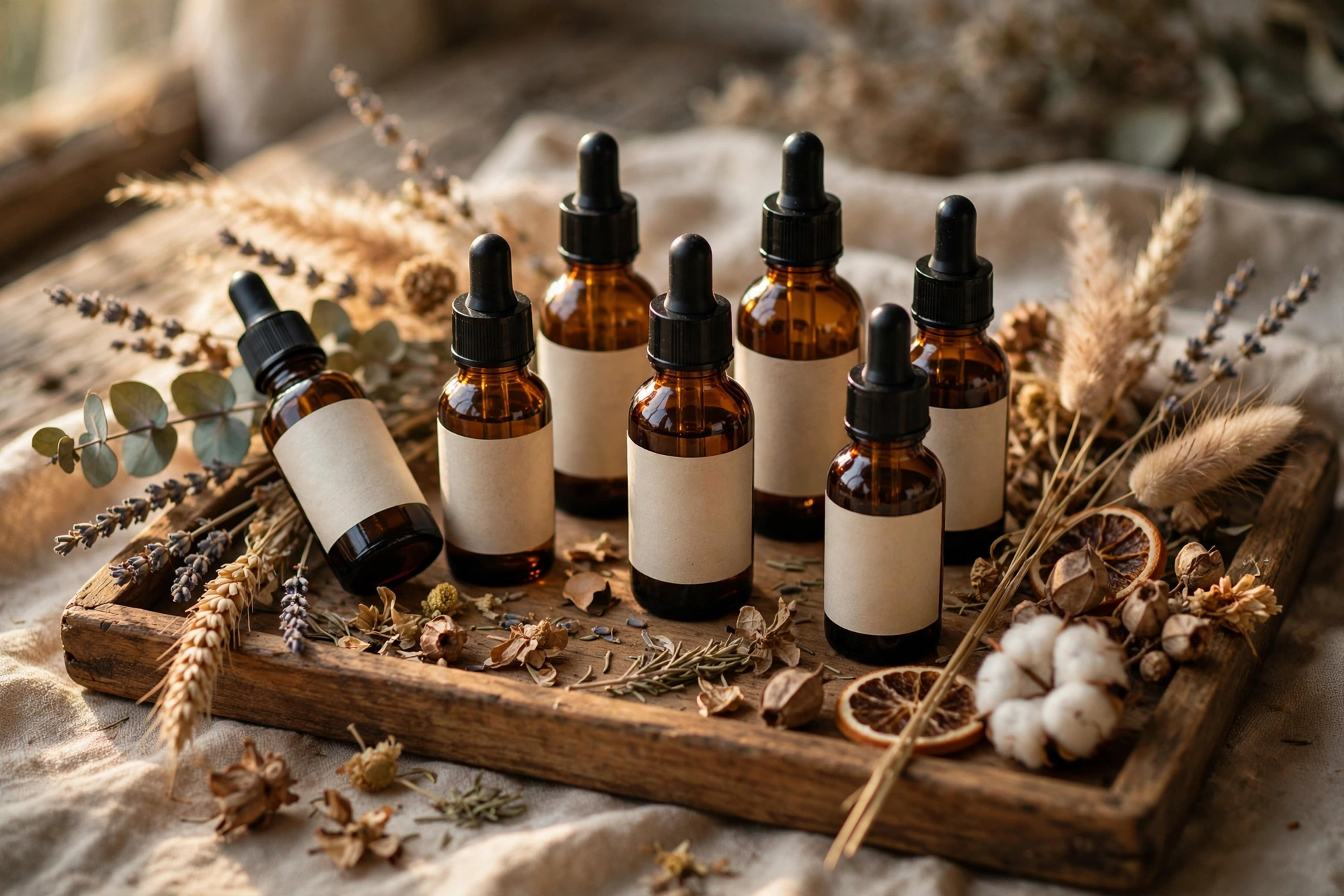
Hemp extracts are concentrated preparations from hemp flower, sold as tinctures, capsules, topicals, and gummies — those are delivery formats, not quality tiers. The vocabulary on the label describes composition:
- Full-spectrum — the extract retains a range of the plant’s compounds, including trace THC within legal limits.
- Broad-spectrum — a range of compounds with the THC removed.
- Isolate — a single compound (usually CBD) on its own, without the rest.
These words describe what’s in the extract. They don’t rank it, and they say nothing about results.
How to read these labels anyway
- Third-party lab results — look for batch-specific Certificates of Analysis from an independent lab, accessible before you buy. A product without published, batch-specific test results is a guess, not a purchase.
- Milligrams, stated two ways — per serving AND per container. Percentages alone don’t tell you what you’re getting for the money.
- Sourcing and extraction — where the hemp was grown and how the extract was made are basic transparency a serious maker volunteers.
- Red flags — disease claims, “miracle” language, no lab results, no company address, prices that undercut the entire market. Walk away.
For the full checklist — and how the same label-reading discipline applies to fiber goods, paper, and foods — see Reading a Hemp Label.
The law is moving — check your state
Federal hemp law is changing. A federal redefinition of hemp takes effect December 11, 2026, reclassifying intoxicating hemp-derived THC products as Schedule I controlled substances. We do not cover intoxicating products — full stop. State laws vary widely, so check your own state’s current rules before buying anything in this category. This page isn’t legal advice; it’s a starting point.
A note on commissions
This page carries no product links — nothing to disclose. If that ever changes, the notice will sit right next to the link, per our affiliate disclosure.
Good to know
Is CBD legal where I live?
It depends on your state, and the rules are shifting. Federal law is in motion (see above), and state laws vary widely. Check your own state’s current rules — this page can’t answer that for you, and it isn’t legal advice.
Why no product recommendations?
Because the legal category is shifting and because we make no efficacy claims, ever. We explain the vocabulary and the labels so you can think clearly; we don’t tell you what to buy.
Does Sacred Hemp Company make health claims?
Never — about any product, on any page. We describe materials and labels. For health questions, talk to a qualified professional.
Do you cover THC or intoxicating products?
No. Full stop. This site covers fiber goods, hemp foods, and non-intoxicating extracts only.